

What Is Posterior Vitreous Detachment (PVD)?
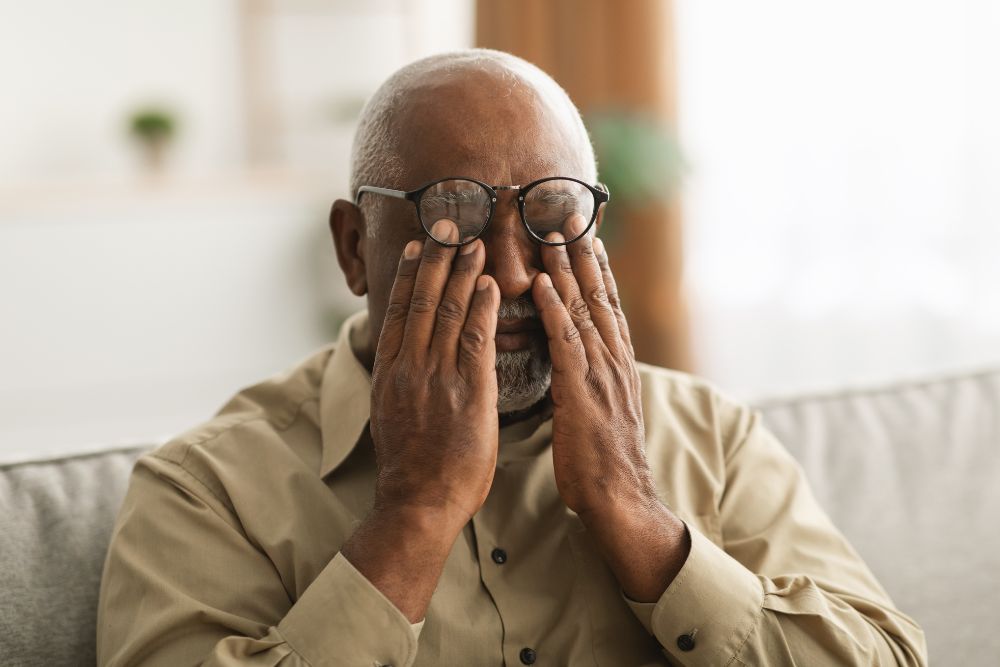
As we age, our bodies undergo various changes, and our eyes are no exception. Posterior Vitreous Detachment (PVD) is a common condition related to aging and is typically not a cause for concern. However, there are cases where PVD could signal a more serious problem, so it's important to know when to seek medical attention. By understanding PVD, you can take proactive steps to safeguard your eye health.
PVD: How It Works
PVD occurs when the vitreous gel, the clear, jelly-like substance that fills the eye, begins to shrink and pull away from the retina, the light-sensitive layer at the back of the eye. The vitreous gel is essential for maintaining the eye's shape and sending light signals to the retina. The retina, in turn, processes these signals and sends them to the brain, allowing us to see. PVD most commonly affects adults over 50.
PVD Symptoms
Individuals experiencing PVD may notice a variety of symptoms, including:
- Flashes of light: Often described as shooting stars or brief bursts of light.
- Floaters: Tiny spots or cobweb-like strands that drift in and out of the field of vision.
While flashes and floaters can be unsettling, it's important to remember that PVD itself is usually not dangerous. However, in some cases, these symptoms can indicate more serious conditions, such as retinal tears or detachment.
When to Seek Immediate Care
Certain warning signs should prompt an immediate evaluation by a healthcare professional. If you experience any of the following, it's vital to seek medical attention:
- A sudden increase in the number of floaters.
- A significant change in vision or the appearance of a shadow or curtain over your vision.
- Any persistent flashes of light, especially if accompanied by other symptoms.
A retina specialist will perform a comprehensive evaluation, typically including a dilated eye exam and imaging tests, which allow them to view the retina and vitreous gel in detail.
The Importance of Regular Retinal Care
Taking care of your eyes is crucial, especially as you age. Scheduling annual eye exams can help not only detect PVD but also monitor your vision for signs of more serious conditions. The earlier retinal diseases are diagnosed and treated, the better your vision outcomes are likely to be.
At Northeast Wisconsin Retina Associates, our retina specialists use advanced tools to diagnose and treat a wide range of retinal conditions, including PVD. We proudly serve patients throughout Northeast Wisconsin and beyond, including Appleton, Green Bay, Sheboygan, North Fond du Lac, Oshkosh, and Stevens Point. Contact us today for more information or to schedule an appointment.