

AMD in Primary Eye Care: When Is a Retina Referral Appropriate?
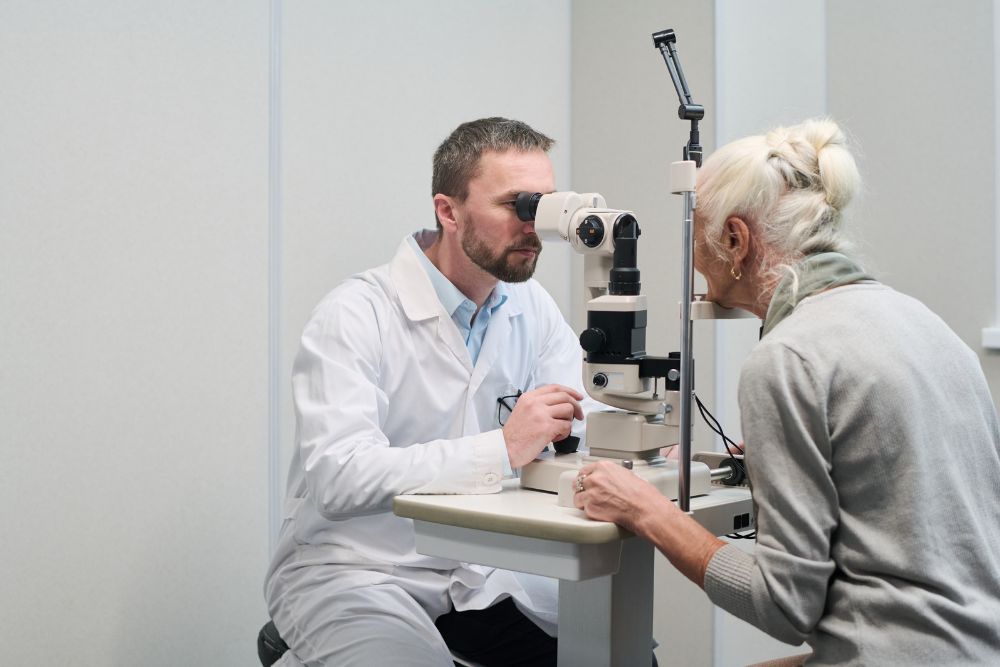
Optometrists and general ophthalmologists play an essential role in detecting and monitoring age-related macular degeneration (AMD). While many patients with early-stage disease can be managed through routine follow-up, others may develop retinal changes that warrant further evaluation by a retina specialist. Recognizing when those changes call for a referral can help patients access appropriate treatment before additional vision loss occurs.
Stages of AMD and Referral Considerations
AMD encompasses a range of retinal changes, and the need for specialist evaluation varies depending on the stage and clinical presentation.
Early-to-Intermediate AMD
Early AMD is generally defined by medium drusen (about 63 to 125 micrometers) without pigmentary abnormalities. Intermediate AMD involves large drusen (over 125 micrometers) and/or AMD-related pigment changes.
Patients with early AMD can often be monitored through routine primary eye care. However, intermediate AMD carries a higher risk of progression to late-stage disease, particularly in patients with large drusen or pigmentary abnormalities. Referral to a retina specialist may be appropriate for patients with intermediate AMD, especially when there are signs of progression or concerning imaging findings.
In most cases, key steps for patients with early or intermediate AMD are:
- Regular monitoring with eye exams
- Discussing AREDS2 supplementation when indicated, particularly for patients with intermediate AMD
- Giving clear instructions for monitoring vision at home
Geographic Atrophy (GA)
GA is an advanced form involving progressive loss of the retinal pigment epithelium (RPE) and photoreceptors. Although deterioration is generally gradual, expanding areas of atrophy can threaten central vision. With treatments now available to slow GA, patients presenting with lesions should be referred to a retina specialist.
Neovascular (Wet) AMD
Neovascular AMD occurs when abnormal vessels grow beneath or into the retina and leak fluid or blood. It makes up a minority of AMD cases but accounts for most of the severe central vision loss associated with the disease. Suspected neovascular conversion generally warrants prompt referral because early treatment with anti-VEGF therapy can help preserve visual function.
Clinical Findings That May Warrant Retina Referral
Several findings warrant particular attention when assessing whether a patient should be referred:
- Macular fluid or hemorrhage: These findings may indicate active leakage from abnormal blood vessels and warrant prompt specialist evaluation.
- Suspected conversion from dry-AMD to wet-AMD: New subretinal or intraretinal fluid, hemorrhage, or other suspicious changes on OCT may indicate neovascular conversion and warrant prompt referral.
- Progression of GA: These findings may include new areas of atrophy, enlargement of existing atrophic lesions, or progression of lesions toward the fovea
Clinical imaging is a valuable part of AMD monitoring, but changes reported by patients can also provide early indications of disease progression. Symptoms that warrant closer evaluation include:
- New metamorphopsia or visual distortion: Straight lines appearing bent or wavy, or new difficulty reading and recognizing faces, may indicate changes in macular structure or function.
- Central scotomas: New dark, blurred, or missing areas in the central visual field can occur with advanced atrophy or neovascular disease.
- Sudden changes in central vision: An abrupt decline in visual clarity that cannot be adequately explained by refractive changes or other ocular findings
Not every AMD diagnosis requires immediate referral. Patients with stable early dry AMD and no evidence of exudation or significant atrophic progression can often be followed through regular examinations in primary eye care.
Coordinating AMD Care With Northeast Wisconsin Retina Associates
Effective AMD management often involves ongoing collaboration between primary eye care providers and retina specialists. While a retina specialist may take the lead in evaluating and treating advanced disease, referring providers remain essential to monitoring overall ocular health and recognizing new changes in visual function.
At Northeast Wisconsin Retina Associates, our team provides comprehensive evaluation and treatment for patients with dry and wet AMD, as well as geographic atrophy. We work closely with referring optometrists and ophthalmologists to help patients receive the level of retinal care appropriate for their condition.
If your patient has concerning macular findings, suspected neovascular conversion, or progressive AMD that may benefit from specialist evaluation, we welcome your referral. Visit our referring provider page to learn more about our referral process or contact our team to discuss a time-sensitive case.