

Age-Related Macular Degeneration: Why Early Detection Matters
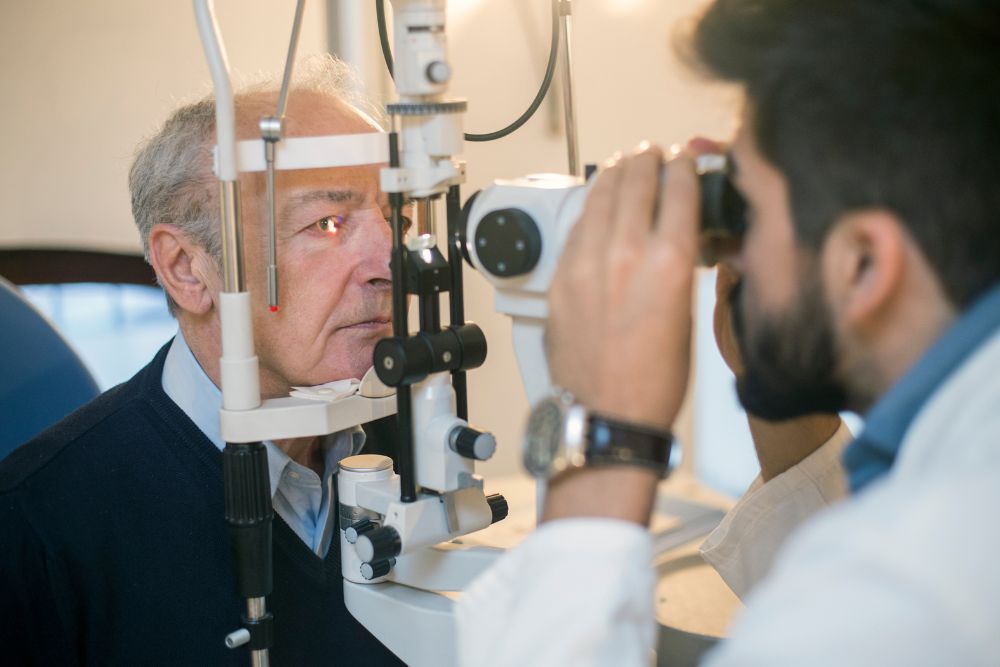
As we age, our bodies undergo various changes, and our eyes are no exception. One common condition that affects many older adults is age-related macular degeneration (AMD), a leading cause of vision loss. While it may seem like an inevitable part of aging, early detection of AMD can make a significant difference in maintaining your eyesight and quality of life. Understanding the importance of regular eye exams and recognizing symptoms can empower you to take control of your eye health, helping prevent potential issues before they arise.
Early AMD Symptoms
Many individuals with early-stage macular degeneration may not notice any obvious changes in their vision. However, being aware of potential early signs is crucial for timely intervention.
Common symptoms include:
- Slight blurring of central vision
- Difficulty adjusting to changes in lighting conditions, such as moving from bright to dim environments and vice versa
- Straight lines may appear wavy or distorted
- Increased difficulty with detail-oriented tasks, like reading or sewing
- Dark spots or empty areas in central vision
- Difficulty distinguishing colors or perceiving colors as less vibrant
Since these symptoms often develop gradually, individuals may not realize they're experiencing them until they worsen. Regular eye exams are crucial for early detection and monitoring of AMD.
How Retina Specialists Detect and Monitor AMD
Retina specialists can identify subtle changes in the retina that may signal the early stages of AMD through dilated eye exams and optical coherence tomography (OCT). OCT is a non-invasive, quick scanning technique that produces cross-sectional, high-resolution images of the retina. This allows doctors to identify early signs of fluid buildup, retinal thickening, or drusen deposits (yellow deposits of fat, protein, and cellular waste) before patients notice any vision loss.
Other important monitoring tools include fluorescein angiography. In fluorescein angiography, dye is injected into the arm, where it travels to the eye to highlight any leaks in the blood vessels. Additionally, patients can use at-home tools such as the Amsler grid to check for wavy or missing lines in their central vision.
Protecting Your Vision Through Early Detection
The earlier AMD is detected and treated, the better your vision outcomes will be. If you're over 50, have a family history of the disease, or have other risk factors such as high blood pressure, obesity, or high cholesterol, it’s important to schedule an eye exam, even if your vision seems fine.
At Northeast Wisconsin Retina Associates, our experienced retina specialists use advanced tools to diagnose and treat a wide range of retinal conditions, including AMD. We proudly serve patients throughout Northeast Wisconsin and beyond, including Appleton, Green Bay, Sheboygan, North Fond du Lac, Oshkosh, and Stevens Point. Contact us today for more information or to schedule an appointment.